Why More People Are Exploring Body Contouring in Michigan
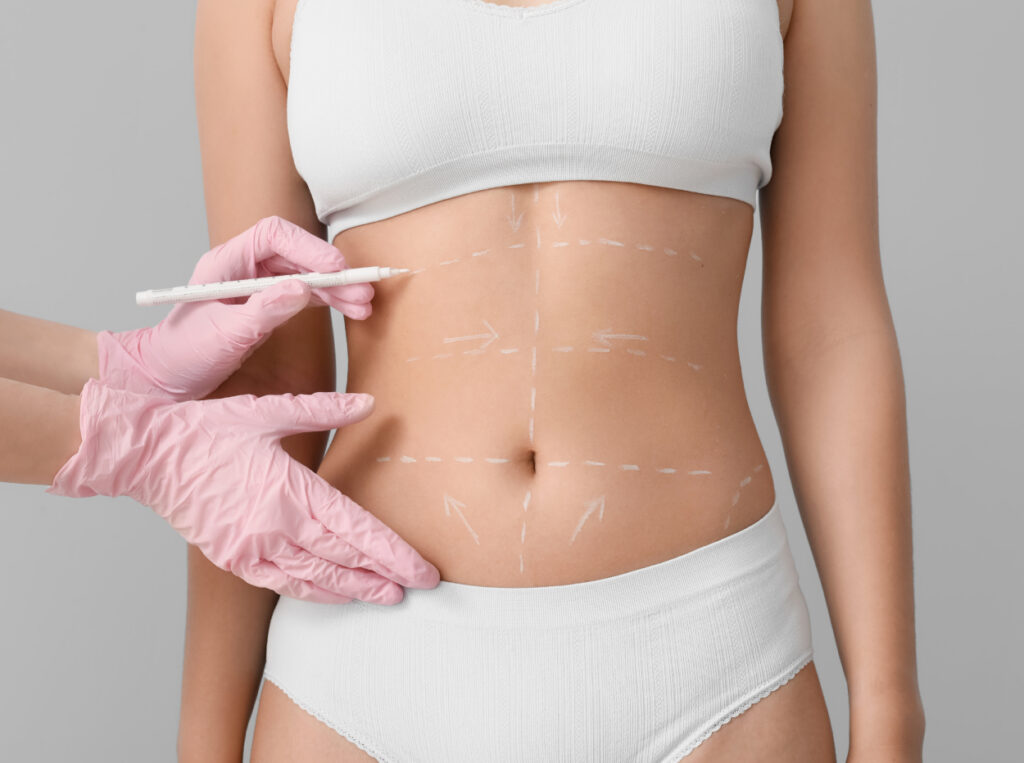
The conversation around cosmetic treatment has changed in Michigan, and it has changed fast. Not long ago, body contouring was often treated like a niche topic, something discussed quietly and usually associated with dramatic makeovers or celebrity culture. That is not how most people approach it now. More patients are looking at body contouring as a practical way to address stubborn areas that do not respond to diet and exercise, to tighten or refine after weight changes, or simply to feel more comfortable in their clothes.
That shift matters because it reflects a broader change in how people think about appearance, wellness, and personal choice. In clinics across Michigan, there is growing interest from people in their 30s, 40s, 50s, and Learn more here beyond who are not chasing perfection. They are usually asking for something much more grounded. They want proportion. They want smoother contours. They want their outer shape to better match the effort they have already put into their health.
Body Contouring in Michigan has become part of that discussion because the demand is no longer limited to one age group or one type of patient. A mother after pregnancy, a man who lost 40 pounds, a woman frustrated by fullness at the flanks despite regular workouts, or someone in midlife noticing that skin and fat distribution have changed, all may be exploring the same category of treatment for very different reasons.
The appeal is more practical than many people assume
A common misconception is that body contouring is about extreme transformation. In real practice, the appeal is often modest and specific. Patients usually do not come in saying they want to look like someone else. They come in pointing to a small pouch of lower abdominal fullness, persistent upper arm laxity, or a waistline that feels softer than it used to despite stable weight.
That distinction explains a lot about why interest keeps growing. People are not necessarily asking for a new body. They are asking for refinement. If someone has already improved their eating habits, started strength training, or lost weight, a lingering problem area can feel disproportionately discouraging. It is not vanity to notice that. It is human nature to want the result to reflect the work.
Michigan patients often bring this up in very direct language. They will say they feel healthy, but not fully comfortable in fitted clothes. Or they like their progress, but one area still throws off their proportions. That is where body contouring enters the picture, not as a replacement for healthy habits, but as a way to address what those habits cannot always fix.
Michigan lifestyles shape the demand
There are regional factors that help explain why Body Contouring in Michigan feels especially relevant right now. The state’s climate is one of them. Michigan has long winters, layered clothing, and stretches of the year when people are naturally less exposed and sometimes less active outdoors. That does not cause body contouring demand by itself, but it does create a rhythm many patients recognize. They often spend the colder months reassessing their goals, then start consultations in late winter or early spring so they can feel more confident by summer.
The seasonality is real. Practices often see increased interest before warm weather, before vacations, and before wedding season. It is also common for people to schedule consultations after the holidays, when weight fluctuations, photos, and a return to routine bring attention back to the body.
Michigan also has a broad mix of suburban, urban, and smaller community settings, which influences how people think about elective care. In larger metro areas, patients may have more immediate access to both surgical and non-surgical options. In smaller markets, awareness has grown through social media, referrals, and the normalization of aesthetic medicine in general. Someone who once would have dismissed body contouring as unnecessary may now know several friends, coworkers, or family members who have tried some form of it.
The rise of non-surgical options has widened the audience
One of the biggest reasons more people are exploring Body Contouring is simple: not everyone wants surgery, and now they do not have to start there.
Non-surgical and minimally invasive options have made the category more approachable. Treatments that target small pockets of fat, improve skin firmness, or stimulate collagen have opened the door for patients who want visible change without the downtime, anesthesia, or commitment of a larger procedure. That does not mean non-surgical treatment is equivalent to surgery. It is not. But it does mean the first step feels less intimidating for many people.
For a lot of Michigan patients, the question is not, “Do I want a major cosmetic procedure?” It is, “Is there a reasonable option for this one issue?” Once the category is framed that way, more people are willing to learn about it.
That accessibility has changed expectations too. Years ago, many people assumed body contouring meant liposuction and a lengthy recovery. Now, patients often understand that the field includes a range of interventions. Some involve little downtime. Some require multiple sessions. Some are best for fat reduction, others for skin tightening, and some work best when combined.
The nuance matters because better education leads to better decision-making. A patient with mild lower abdominal fullness and good skin elasticity may be a candidate for one kind of treatment, while someone with more significant loose skin after major weight loss may need a completely different approach. More people are exploring body contouring because the menu of options has expanded, not because one treatment suddenly fits everyone.
Weight loss success can create a new set of concerns
Another major driver, especially in the last few years, is the growing number of people who have lost significant weight. Some have done it through lifestyle changes alone. Some have used medical weight loss programs. Some have had bariatric surgery. Regardless of the method, weight loss often improves health markers and quality of life, but it can also reveal issues that patients did not anticipate.
Loose skin, volume shifts, and stubborn residual fat deposits are common concerns after weight reduction. A person may be thrilled to fit into smaller sizes and still feel bothered by abdominal overhang, laxity in the upper arms, or flattening in one area paired with fullness in another. That does not mean the weight loss was unsuccessful. It means the body does not always remodel itself evenly.
This is one reason Body Contouring in Michigan is attracting people who would never have considered aesthetic treatment in the past. Their entry point is not cosmetic curiosity. It is the practical aftermath of hard-earned progress. They have changed their habits, committed to their health, and now want help with the structural or skin-related issues that remain.
Clinically, this is where honest consultation matters. Some patients are excellent candidates for non-surgical treatment. Others will be disappointed if they expect a device-based option to correct moderate or severe skin laxity. A good provider explains the difference early. That candor builds trust and often leads to better outcomes, even if the advice is to wait, maintain weight stability, or consider a surgical solution instead.
Aging changes the body in ways exercise cannot fully control
There is also a quieter reason more adults in Michigan are interested in body contouring: age changes body composition, skin quality, and fat distribution, even in people who are active.
This is one of the hardest truths for disciplined patients to accept. Someone can stay at a similar weight for years and still notice that their body looks different. Hormonal shifts, collagen loss, muscle changes, and redistribution of fat all play a role. The waist may thicken. The lower abdomen may soften. Skin may not retract the way it once did after weight fluctuations. Upper arms and inner thighs often become points of frustration.
What makes this especially relevant is that many of these patients are not trying to look younger in a dramatic sense. They simply want their body to reflect how well they take care of themselves. They are often among the most realistic and motivated candidates because they understand the limits of exercise, but they also appreciate the limits of treatment.
A woman in her late 40s who strength trains several times a week may still have abdominal skin laxity after pregnancies. A man in his 50s may stay lean overall but struggle with flank fullness that has become more pronounced over time. Those are common scenarios, and they help explain the broader appeal of Body Contouring.
Social attitudes have become less judgmental
There was a time when many people avoided these treatments simply because they did not want the stigma attached to them. That barrier has weakened. Cosmetic care is still personal, but it is no longer discussed in whispers the way it once was.
Part of this comes from social media, though not always in the simplistic way people assume. It is not just that more people see before-and-after photos. It is that aesthetic medicine has become easier to talk about openly. Friends share recommendations. Patients compare experiences. Men ask questions they might have kept to themselves ten years ago. Women are more comfortable saying they want help with an issue that bothers them, without feeling they need to justify it.
There is also more acceptance of the idea that appearance affects confidence. That does not mean everyone should seek treatment, or that confidence depends on cosmetic procedures. It means adults can make informed choices about their bodies without being reduced to stereotypes.
In Michigan, this often shows up in the consultation room as a more informed and less apologetic patient. People arrive with better questions. They want to understand recovery, maintenance, cost, and realistic outcomes. That is a sign of a maturing market, and it usually leads to better decisions.
What people are usually hoping to improve
The specific concerns tend to be familiar from one patient to the next, even if the reasons behind them differ. The most common treatment areas are often:
- abdomen and waist
- flanks or love handles
- upper arms
- thighs
- submental area, the region under the chin
Even here, the details matter. A patient seeking improvement under the chin may be dealing with genetics more than weight. A patient asking about the abdomen may need skin tightening more than fat reduction. Another may need both. The same broad category, Body Contouring, can mean very different things depending on the anatomy and the patient’s goals.
That is why generic promises are a red flag. Effective treatment planning depends on tissue quality, skin elasticity, overall health, weight stability, and the patient’s willingness to accept either downtime or gradual results.
The gap between expectation and anatomy
One of the most important realities in this field is that not every concern can be solved equally well. The rise in demand has brought more awareness, but also more confusion. Patients often come in having seen dramatic images online without understanding what type of treatment produced that result.
Body contouring works best when the goal matches the anatomy. Small, localized fat deposits in a person near their goal weight are different from generalized obesity. Mild skin looseness is different from significant excess skin. A modest contour improvement is different from a full-body transformation.
This is where experienced clinical judgment matters more than marketing. A provider who tells every patient they are a great candidate is not doing them a favor. In real practice, some of the best consultations end with a careful no, or at least a not yet. Sometimes the right advice is to lose or stabilize weight first. Sometimes it is to consider surgery instead of a non-surgical device. Sometimes it is to do nothing, because the expected gain would be too small to justify the cost.
Patients appreciate this honesty more than many assume. Most adults can handle nuance. What they dislike is spending money on a treatment that was never likely to deliver what they wanted.
Recovery time and everyday life matter more than marketing language
Another reason more people are exploring Body Contouring in Michigan is that treatments can often be fitted around real schedules. Busy professionals, parents, and caregivers may not be able to disappear for weeks of recovery. They want to know how sore they will be, when they can return to work, whether they can exercise, and how long swelling may last.
These are not minor questions. They are often the deciding factor.
For some people, a gradual, lower-downtime option makes sense even if the result is subtler. For others, especially those seeking more dramatic change, it is worth planning around a more involved recovery. There is no universally better route. The right choice depends on the patient’s anatomy, budget, tolerance for downtime, and expectations.
From a practical standpoint, Michigan patients often plan treatment around the calendar. Winter and early spring can be attractive times for procedures that require compression garments or a period of reduced activity. Summer may be better suited to lighter, non-surgical approaches for those who do not want recovery to interfere with travel or outdoor plans. These timing considerations sound mundane, but they strongly influence how patients choose.
Cost is part of the decision, and people are thinking about value
Elective aesthetic care always involves cost, and patients are becoming sharper about how they evaluate it. They are not just asking what a treatment costs. They are asking what it is likely to achieve, how long it may last, whether maintenance is required, and whether a less expensive option is actually less effective for their situation.
That is a healthy shift. A low upfront price can be misleading if multiple sessions are needed or if the result is unlikely to meet the patient’s goal. On the other hand, a more expensive treatment may offer better value if it aligns more closely with the anatomy and desired outcome.
People in Michigan, like patients anywhere, are Body Contouring in Michigan weighing these decisions against mortgages, childcare, travel, and other financial priorities. The growth in interest does not mean people are casual about the expense. It usually means they are more willing to invest once they understand what the treatment can realistically deliver.
How thoughtful patients approach the process
The patients who tend to feel best about their choice usually do a few things well before treatment. They ask direct questions, they make peace with the limits of any procedure, and they choose a provider based on expertise rather than sales pressure.
A strong consultation should clarify several points:
- what problem is actually being treated, fat, skin laxity, or both
- whether the result is expected to be subtle, moderate, or significant
- how much downtime, swelling, or soreness is typical
- what the total financial commitment may look like
- whether weight stability and long-term habits will affect the result
That kind of conversation may not feel glamorous, but it is the foundation of good outcomes. Body contouring is rarely just about the treatment itself. It is about selection, timing, technique, and expectation.
Why this trend is likely to continue in Michigan
The increased interest in Body Contouring is not a passing phase driven only by aesthetics. It reflects several durable changes happening at once. People are living longer and staying active later in life. Weight loss, whether modest or major, is more common and more visible. Non-surgical technology has made treatment more approachable. Social attitudes are less rigid. Patients are better informed and more willing to pursue targeted solutions.
Michigan is a strong example of that shift because it combines practical, family-centered lifestyles with growing access to aesthetic care. People here are not necessarily chasing spectacle. More often, they are looking for measured improvement that fits into a normal life. They want to feel more confident getting dressed, more proportional after weight loss, or more at ease in a body that has changed with time.
That is why body contouring keeps gaining traction. Not because people suddenly care more about appearance than they used to, but because the options are broader, the stigma is lower, and the motivations are more honest. For many patients, it is not about becoming someone new. It is about closing the gap between how they feel and what they see in the mirror.
When that goal is approached with clear expectations and sound medical guidance, Body Contouring in Michigan makes sense for more people than it once did. And that, more than any trend cycle, explains why interest continues to grow.
Aesthetic Plastic Surgery & Laser Center, Michelle Hardaway M.D.
Address: 27920 Orchard Lake Rd, Farmington Hills, MI 48334
Phone number: +12482211957
FAQ About Body Contouring in Michigan
What does body contouring actually do?
Body contouring (or body sculpting) eliminates stubborn localized fat, tightens loose, sagging skin, and reshapes your silhouette. It is not a weight-loss tool, but rather a cosmetic procedure used to refine and tone specific trouble spots after major weight loss, pregnancy, or aging.
How much does body contouring usually cost?
The total cost of body contouring usually ranges from $2,000 to $25,000+ depending entirely on whether you choose non-surgical sessions or major surgical procedures.
Because "body contouring" covers everything from simple fat-freezing to comprehensive post-weight-loss surgeries, pricing is heavily categorized by the method used.
What is the best type of body contouring?
Liposuction is a huge topic and worth discussing in more detail, but in terms of body contouring and sculpting, nothing does the job better than liposuction, particularly VASER liposuction.