Liposuction Michigan Myths and Facts You Should Know

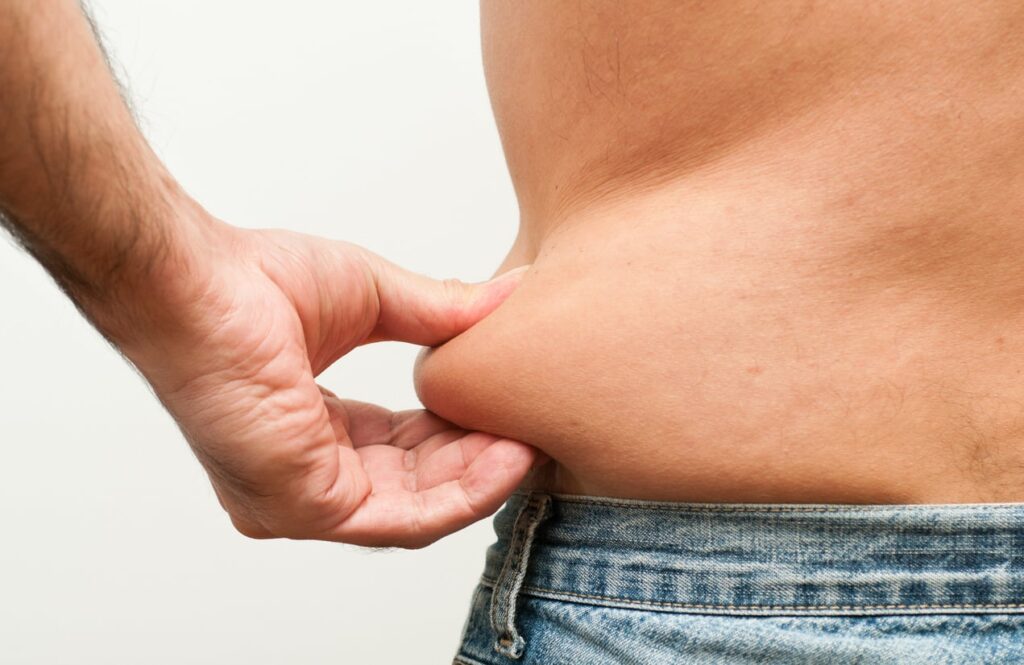
Liposuction carries a strange reputation. Some people talk about it as if it were a shortcut that replaces diet and exercise. Others describe it as risky, extreme, or useful only for celebrities. In practice, the truth sits in a much more grounded place. Liposuction is a body contouring procedure with clear strengths, clear limits, and outcomes that depend heavily on patient selection, surgical judgment, and recovery habits.
For people researching Liposuction Michigan options, the confusion often starts before the first consultation. Online searches mix medical information with marketing, personal opinions, and dramatic before-and-after stories that leave out important details. One person insists the fat “comes back worse.” Another says recovery is easy and you can return to normal life in a day or two. Neither statement tells the full story.
A better approach is to separate the common myths from the facts that actually matter when you are making a decision about your body, your budget, and your expectations. That means talking honestly about what liposuction can do, what it cannot do, who tends to be a good candidate, and how regional factors such as lifestyle, climate, and surgeon availability in Michigan can affect the experience.
Why liposuction is often misunderstood
Liposuction sounds simple on the surface. Fat is removed from specific areas, the shape improves, and the patient moves on. Yet body contouring is rarely that simple. The human body does not store fat evenly, skin does not tighten the same way in every person, and the line between a good result and a disappointing result often comes down to nuances the average person cannot see in photos.
A patient may be slim overall but carry stubborn fullness under the chin or around the lower abdomen. Another may have lost 40 pounds and still feel frustrated by pockets at the flanks or outer thighs. Both might benefit from liposuction, but not for the same reasons and not with the same plan. Age, skin elasticity, prior surgeries, weight stability, and even how someone scars can shape the recommendation.
Michigan patients also tend to ask practical questions that are tied to daily life. How much downtime is realistic if you commute, work on your feet, or have young children at home? How do compression garments feel in humid summer weather versus a cold winter? When is the best season to schedule surgery if you want privacy during recovery? These are not small concerns. They influence comfort, timing, and whether a patient follows through with aftercare.
Myth: liposuction is a weight-loss procedure
This is probably the most common misconception, and it causes more disappointment than almost anything else.
Liposuction is not designed to be a primary method of weight loss. It is meant to remove localized fat deposits that do not respond well to consistent diet and exercise. A patient may lose a few pounds after surgery, but the bigger change is usually in shape, proportion, and how clothing fits. Someone might look noticeably better in a tailored shirt or a fitted dress without seeing a dramatic change on the scale.
That distinction matters. If a person is hoping to lose 50 or 60 pounds through surgery, liposuction is the wrong tool. If a person is near a sustainable weight but cannot improve the contour of the abdomen, bra roll, flanks, arms, or thighs despite real effort, liposuction may be worth discussing.
The best candidates usually understand this before surgery. They are not chasing a new identity. They want refinement. In real practice, those patients are often the happiest because their expectations line up with what the procedure can reliably deliver.
Fact: liposuction can create meaningful shape changes
Saying liposuction is not for weight loss does not mean the results are minor. Done well, it can produce a substantial improvement in contour.
A few hundred milliliters removed from the right area can make a waist look more defined. Fat reduction beneath the chin can sharpen the jawline in a way that changes a person’s whole profile. Treating the flanks can smooth the transition between the torso and hips. These are not imaginary gains, and they are not always subtle.
What matters is proportion. An experienced surgeon does not simply remove fat until an area is smaller. The goal is to create harmony between neighboring regions. If the upper abdomen is reduced but the flanks are left heavy, the midsection can still look unbalanced. If the inner thighs are treated too aggressively in the wrong candidate, irregularity may become a bigger concern than fullness was before surgery.
This is one reason consultation quality matters so much. Good planning often sounds less exciting than sales language, but it leads to better results.
Myth: the fat always comes back, and it comes back in strange places
This myth survives because it contains a small piece of truth wrapped in exaggeration.
Fat cells removed through liposuction do not regenerate in the same way in the treated area. However, the body can still store fat in the remaining fat cells if a person gains weight after surgery. That means results can soften over time if lifestyle changes dramatically. It does not mean the body is “punished” and starts storing fat in bizarre places out of revenge.
What really happens is more ordinary. If you maintain a relatively stable weight, the contour improvement often holds up well for years. If you gain a significant amount of weight, you can gain fat both in Liposuction Michigan treated areas and untreated areas, although the distribution may look somewhat different because the original number of fat cells in the treated zone has been reduced.
Patients usually do best when they think of liposuction as a reset, not a permanent shield against future weight gain. If you already have routines that support weight stability, the odds of long-term satisfaction are much better.
Fact: skin quality can matter as much as fat volume
Many patients focus entirely on how much fat they have, when the more important question is how their skin will respond after fat is removed.
Skin with good elasticity can retract and adapt to a leaner contour. Skin with poor elasticity may not tighten enough, especially after major weight loss, pregnancy, aging, or sun damage over time. In those cases, liposuction alone may improve size but not necessarily shape. A person may end up smaller yet still disappointed because the skin looks loose or uneven.
This comes up often with the lower abdomen, upper arms, inner thighs, and neck. Someone in their late twenties with dense, elastic skin may see smooth tightening after treatment. Someone in their fifties with thinner skin and prior weight fluctuations may need a different conversation, sometimes involving a lifting procedure instead of, or in addition to, liposuction.
That is not bad news. It is simply the difference between a procedure that fits the problem and one that does not. The best consultations are often the ones where a surgeon explains why a patient should not expect liposuction alone to solve a skin issue.
Myth: all liposuction techniques are basically the same
Patients often hear terms like tumescent, ultrasound-assisted, laser-assisted, power-assisted, or high-definition lipo and assume these labels tell them everything they need to know. They do not.
Technique matters, but judgment matters more. A well-selected patient treated with sound fundamentals often gets a better result than a poorly selected patient treated with the latest branded device. Different tools can be useful in different situations. Fibrous areas, revision cases, or delicate contouring zones may call for a specific approach. Still, the tool is only part of the equation.
The surgeon’s eye for anatomy, symmetry, and restraint carries enormous weight. Over-resection can be harder to fix than under-resection. Small contour irregularities that are invisible in the operating room can become obvious weeks later when swelling settles. That is why experience with body contouring matters far beyond the brochure language.
For anyone comparing Liposuction Michigan providers, it helps to ask not only what technology is used, but why it is used, how often the surgeon performs the procedure, and what kind of patients they treat most often.
What recovery really feels like
Recovery is another area where myths flourish. Some people Liposuction Michigan fear they will be bedridden for weeks. Others expect to bounce back immediately. Most experiences fall somewhere in between.
For smaller areas, many patients describe soreness, swelling, tightness, and fatigue more than sharp pain. It can feel like an intense workout combined with bruising. Larger-volume liposuction or treatment of multiple areas can be more demanding. Compression garments are usually part of the process, and they help, but they are not glamorous. Patients often underestimate how much swelling changes day to day in the first few weeks.
A realistic recovery timeline often looks like this:
- The first few days are focused on rest, hydration, walking around the house, and managing drainage, swelling, and soreness.
- By the end of the first week, many people feel more functional but are not ready for strenuous activity or a full social calendar.
- Within two to four weeks, a lot of the bruising and major swelling improve, though puffiness can linger.
- Exercise usually returns gradually, based on the surgeon’s guidance and the extent of treatment.
- Final contour can take several months to reveal itself as swelling resolves and tissues settle.
That timeline surprises people who expected instant results. Liposuction is not like trying on a new outfit. It is surgery, and the body needs time to show the outcome.
Myth: liposuction is only for women
Men have become a larger part of the body contouring conversation, and not just in major metropolitan areas. In Michigan, men commonly ask about the abdomen, flanks, chest area, and under the chin. Their goals tend to be different from women’s goals, but the motivation is similar. They want a shape that reflects the effort they already put into health, fitness, and appearance.
Men often wait longer to seek consultation because they worry surgery will look obvious or unnatural. In reality, subtle contouring can make a significant difference without announcing itself. A flatter lower abdomen under dress shirts, a cleaner jawline on video calls, or a more balanced torso can improve confidence in ways that feel private rather than dramatic.
The important point is that candidacy depends on anatomy and expectations, not gender alone.
Fact: lifestyle before and after surgery affects the result
Liposuction results do not happen in a vacuum. Smoking, alcohol habits, nutritional status, sleep quality, and overall activity all affect healing. So does how stable a person’s weight has been in the months leading up to surgery.
Patients sometimes imagine the operation itself is the main event and everything else is secondary. From a recovery standpoint, that is backwards. Good healing depends on many small decisions before and after the procedure. Stable weight usually matters more than a crash diet. Walking regularly after surgery matters more than trying to “sweat it out” too soon. Wearing compression as instructed may feel tedious, but it often helps the tissues settle more smoothly.
If someone is planning pregnancy, beginning a major weight-loss journey, or struggling to maintain current habits, waiting may be wiser than rushing. There is nothing glamorous about timing a procedure badly and then trying to preserve the result through a season of major body change.
How to tell whether your expectations are realistic
A useful consultation is not just about hearing yes or no. It is about hearing what is likely, what is less predictable, and what trade-offs come with each option.
Realistic expectations usually sound like this: “I want my waistline to be smoother in clothes,” or “I want this pocket under my chin reduced,” or “I know I may not be perfectly flat, but I want improvement.” Less realistic expectations usually involve perfection, extreme transformation, or the hope that surgery will fix broad dissatisfaction with one’s body.
A few signs that someone is approaching the process thoughtfully include the following:
- they can identify specific areas that bother them rather than saying they want to change everything
- they understand that swelling and healing take time
- they accept that scars, skin quality, and anatomy set limits
- they are prepared to maintain the result with stable habits
- they are willing to hear that another procedure, or no procedure, may be the better recommendation
That last point matters. Ethical surgical advice sometimes means steering a patient away from liposuction. Not every concern is a fat problem, and not every fat problem should be treated surgically.
Michigan-specific considerations patients often overlook
Regional context changes practical planning more than people expect. Patients seeking Liposuction Michigan care often benefit from thinking about scheduling in a local, seasonal way.
Winter offers privacy. Sweat and heat are less of an issue with compression garments, and looser clothing makes recovery discreet. The downside is that icy conditions can make follow-up travel less comfortable, especially if mobility is reduced for a few days.
Spring is popular because people want to look better by summer, but that timing can create unrealistic pressure. Surgery in March or April does not always mean fully settled summer results by Memorial Day. The body follows its own schedule.
Summer can be workable, but swelling, heat, and social plans are often harder to manage. Patients who live on the lake, spend weekends outdoors, or have family vacations planned may find recovery more frustrating than expected.
Fall is often underrated. Work schedules can be steadier, temperatures are manageable, and there is enough time for swelling to improve before holiday events. It is not the right season for everyone, but many patients who choose it are glad they did.
Cost, value, and the danger of bargain shopping
Cost matters. It should matter. Liposuction is elective, and patients have a right to ask clear questions about pricing, facility fees, anesthesia, garments, follow-up care, and revision policies. What should give people pause is the idea that the lowest quote automatically represents the best value.
A lower fee can reflect efficiency and fair pricing. It can also reflect corners that are harder for a patient to spot from the outside. Experience level, accredited operating facilities, qualified anesthesia professionals, and appropriate postoperative care all carry real costs. Those things are not glamorous, but they are part of what patients are paying for.
The other side of the equation is overpromising. A premium price does not guarantee a premium result. Value comes from alignment between the surgeon’s expertise, the patient’s anatomy, the treatment plan, and the support around the procedure.
People tend to make better decisions when they compare consultations by substance rather than by headline numbers alone. Did the surgeon explain your candidacy clearly? Did they discuss limitations? Did they review recovery honestly? Did the before-and-after examples resemble bodies like yours? Those details often tell you more than a slick presentation.
Questions worth asking at a consultation
A strong consultation is a two-way conversation. You are not just being evaluated. You are evaluating whether the recommendation is thoughtful and specific to your body.
Ask how often the surgeon treats the area that concerns you most. Ask whether your skin quality affects the likely result. Ask what level of improvement is realistic, not ideal. Ask what the first two weeks of recovery will actually involve. Ask what happens if contour irregularity, prolonged swelling, or asymmetry becomes an issue.
Good answers are usually measured, not theatrical. A surgeon who speaks in absolutes about easy recovery or flawless transformation should prompt caution. Body contouring is nuanced work.
The bottom line on myths versus facts
Liposuction is neither magic nor something to fear by default. It is a focused surgical tool that can deliver excellent contour improvement when the patient is well selected, the plan is thoughtful, and expectations are realistic. The myths persist because people want simple stories, and liposuction is not simple. It is highly personal, dependent on anatomy, and shaped by choices made long before and long after the day of surgery.
For anyone exploring Liposuction Michigan options, the smartest path is not to chase hype or react to horror stories. It is to learn how the procedure actually works, understand your own goals, and speak with a qualified surgeon who gives candid, individualized advice. That is where the useful facts begin, and where the myths usually start to fall away.
Aesthetic Plastic Surgery & Laser Center, Michelle Hardaway M.D.
27920 Orchard Lake Rd, Farmington Hills, MI 48334, United States
+1 248-221-1957
FAQ About Liposuction Michigan
Is 55 too old for liposuction?
Age 55 alone does not determine suitability. A surgeon evaluates overall health, skin quality, healing risks, and realistic goals. A personal consultation is needed to assess candidacy and discuss alternatives.
What happens 10 years after liposuction?
Contour improvements can last, especially with stable weight. Aging, pregnancy, and weight changes can alter the appearance over time. Results vary, and liposuction does not prevent future body changes.
Can lipo get rid of an apron belly?
Liposuction reduces localized fat but does not remove hanging excess skin. An apron belly may require assessment for a skin-removal procedure instead of, or alongside, fat removal. A qualified plastic surgeon can explain appropriate options and their risks.