Liposuction Michigan and Minimally Invasive Body Contouring
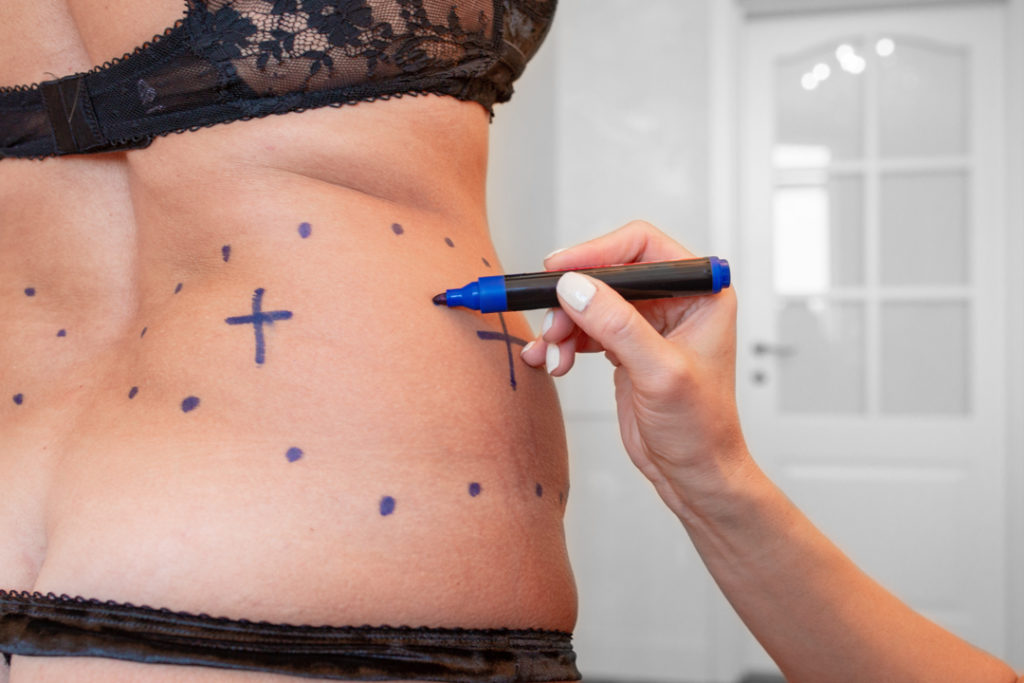
Body contouring has changed dramatically over the past two decades. Not long ago, people interested in reshaping the waist, abdomen, thighs, or neck often assumed they needed a major operation, a long recovery, and a result that might look obvious or overdone. That is no longer the standard. Modern liposuction and minimally invasive contouring techniques are far more refined. They are designed to remove stubborn fat, improve silhouette, and preserve a natural look, often with less downtime than patients expect.
For people researching Liposuction Michigan, the most important thing to understand is that liposuction is not a shortcut to weight loss. It is a sculpting procedure. That distinction matters. Patients who do best are often already relatively close to their goal weight, but frustrated by areas that do not respond to disciplined eating, regular exercise, or changes in routine after pregnancy, aging, or weight fluctuations. In practice, these are the patients who come in saying some version of the same thing: “I feel healthy, but this one area has never matched the effort I put in.”
That is the heart of body contouring. It is less about the number on the scale and more about proportion, shape, and how clothes fit.
What liposuction actually does
Liposuction removes localized deposits of fat through small incisions using a thin tube called a cannula. The technique sounds simple on paper, but the artistry lies in how the fat is removed, how evenly it is feathered into surrounding areas, and how the surgeon plans the contour from every angle, not just the front view.
Patients often assume the challenge is taking out enough fat. In reality, one of the most common causes of disappointment is poor contour design. Too much fat removed in the wrong place can create hollows, ridges, or an unnatural transition. Too little, or removal from an area that was not the true source of imbalance, can leave the patient feeling unchanged. Good liposuction is deliberate. It respects anatomy, skin quality, and the way the body moves in real life.
In a Michigan practice, the same principle applies whether the area is the lower abdomen, flanks, back, arms, inner thighs, under the chin, or the bra line. The goal is not to make every patient smaller. The goal is to create a smoother and more balanced contour that fits the individual frame.
Why minimally invasive matters
The phrase “minimally invasive” gets used loosely, but in body contouring it has practical meaning. Smaller incisions, more controlled tissue handling, better infiltration techniques, and improved anesthesia options can all make the procedure easier on the patient. Swelling still happens. Bruising still happens. Recovery still requires patience. But compared with older methods, many modern approaches are more precise and less traumatic.
This matters for several reasons. First, patients are often balancing careers, parenting, travel, and day to day obligations. They want results, but they also want a realistic path back to normal life. Second, refinement matters more than brute force. A gentle, thoughtful approach usually produces a cleaner contour and a better experience. Third, minimally invasive body contouring often allows targeted treatment of problem areas without committing to a larger operation when one is not necessary.
That said, “minimally invasive” should never be confused with “casual.” Liposuction is still a surgical procedure. It deserves the same level of planning, informed consent, and postoperative care as any other operation.
The areas patients ask about most often
Abdominal liposuction remains the most requested area, and for understandable reasons. The abdomen affects how nearly every pair of pants, skirts, or fitted tops sits on the body. Yet the abdomen is also where expectations need to be managed carefully. Some patients have excess fat above the muscle, which can respond very well to liposuction. Others have lax skin, muscle separation, or internal fullness that liposuction alone cannot fix. In those cases, the procedure may improve shape but not produce a firm, flat abdomen.
The flanks, often called “love handles,” are another common target and often one of the most satisfying areas to treat. Even modest fat reduction there can narrow the waist visually and improve the entire torso from front and back views. Patients frequently notice that jackets close better and fitted shirts skim instead of cling.
Thigh contouring can be rewarding but requires restraint and balance. The inner thighs can rub, distort clothing lines, and feel disproportionately full even in active patients. The outer thighs affect the hip line and lower body silhouette. Both can improve with liposuction, but aggressive treatment can create waviness or irregularity, especially if skin quality is weak.
The neck and jawline represent a different category. Small-volume liposuction under the chin can make a striking difference in profile, often with relatively short recovery. When the patient has good skin elasticity, the neck can look sharper and more youthful without a dramatic procedure. When the skin is loose, though, liposuction alone may not deliver the definition the patient imagines.
Arms, back rolls, and bra line fullness are also frequent concerns, especially for patients who feel slim overall but find certain clothing styles unforgiving. These areas respond well in selected patients, provided the skin can retract adequately.
Who is a strong candidate
Most good candidates for liposuction share a few traits. They have specific, persistent pockets of fat. Their weight has been reasonably stable. They understand that surgery can improve contour but will not create a different body type. They also have enough skin elasticity for the treated area to contract after fat removal.
Here is where experience matters. Two patients can have the same complaint and need very different plans. A woman in her thirties after two pregnancies may believe abdominal liposuction is the answer, but the more important issue may be skin laxity and muscle separation. A man in his forties may assume his chest fullness is just fat, when in fact glandular tissue also plays a role. A younger patient asking for aggressive thigh reduction may have excellent tone now, but poor risk tolerance for subtle contour irregularities later. The right procedure is not always the one the patient first requests.
A careful consultation should look beyond the obvious area. Skin quality, fat distribution, scar placement, medical history, smoking status, and recovery demands all shape the recommendation. This is one reason broad, generic before and after promises are not useful. The details drive the outcome.
The consultation in real terms
A thoughtful consultation is usually less glamorous than patients expect, and that is a good sign. The most helpful conversations often revolve around practical questions. Where exactly is the fullness? Is it pinchable fat, skin laxity, or both? What bothers the patient in clothing? Has the area changed after pregnancy or weight loss? How much downtime is truly available? What would feel like a meaningful improvement?
Photos may be taken, markings discussed, and the difference between treatment zones explained. Patients often come in focused on a single spot, but contour planning rarely works in isolation. Treating the abdomen without the flanks, for example, can leave the waist looking unfinished. Similarly, treating under the chin without discussing skin tone can create expectations that the anatomy cannot support.
A good consultation should also include what liposuction will not do. It does not treat cellulite reliably. It does not correct poor skin elasticity. It does not tighten separated abdominal muscles. It does not replace healthy habits. Patients usually appreciate directness here. Honest limits build trust and help avoid the familiar cycle of overpromising followed by frustration.
Technique makes a visible difference
Many patients researching Liposuction Michigan assume that all liposuction is essentially the same. It is not. The broad category includes different approaches, and technique matters.
Traditional suction-assisted liposuction remains widely used and effective. Tumescent technique, which involves infusing fluid into the treatment area before fat removal, has improved comfort and reduced blood loss for many patients. Power-assisted devices can help in fibrous areas by making fat extraction more efficient. Ultrasound-assisted and laser-assisted approaches may be discussed in certain practices, particularly when tissue characteristics or surgeon preference make them useful.
What matters most is not whether a device sounds impressive. It is whether the chosen method fits the patient’s anatomy and the surgeon’s expertise. In real practice, excellent outcomes come from sound planning, disciplined execution, and good judgment far more often than from branding or gadgetry. Patients are better served by asking why a technique is recommended for their body than by chasing the newest machine.
Liposuction versus non-surgical body contouring
This is one of the most common points of confusion. Non-surgical treatments such as fat freezing, radiofrequency-based contouring, or muscle stimulation can be appealing because they avoid surgery. For the right person, they can offer modest improvement. But they do not replace liposuction when a patient wants a more substantial and predictable reduction in localized fat.
In practical terms, non-surgical options often suit patients with smaller concerns, strong patience, and a willingness to accept subtle change over time. Liposuction suits patients who want direct removal of fat and are comfortable with a surgical recovery. Neither option is universally better. They serve different goals.
A patient with mild lower abdominal fullness and no interest in downtime may be perfectly happy with a non-surgical plan, understanding that results can be gradual and limited. A patient with distinct flank fullness and realistic expectations may spend months trying non-surgical sessions only to end up choosing liposuction later because the change was not enough. Both experiences are common.
This is why comparison needs nuance rather than sales language. Minimally invasive does not always mean non-surgical. In many situations, a small-incision surgical approach is actually the more efficient, more decisive answer.
Recovery, stripped of the marketing gloss
Recovery from liposuction is manageable for most healthy patients, but it is not effortless. Expect swelling. Expect soreness that feels more like bruising and intense muscular tenderness than sharp pain. Expect temporary stiffness and a period where the body looks uneven before it settles. This is normal.
Most patients return to light activity fairly quickly, often within a few days depending on the extent of treatment and the nature of their work. More physically demanding routines take longer. Compression garments are commonly used to support the tissues and help manage swelling. Follow-up visits matter because small concerns are easier to address early than after they become sources of anxiety.
The part many people underestimate is the time course of refinement. Some changes are visible early, especially in profile or clothing fit, but final contour can take weeks to months to declare itself. Swelling does not disappear on a tidy schedule. One side may seem ahead of the other for a while. Areas can feel firm, numb, or strangely sensitive during healing. None of that is unusual.
A few practical habits tend to make recovery smoother:
- Walk early and regularly, even if only for short intervals.
- Wear the recommended compression as instructed, not selectively.
- Keep expectations flexible during the first few weeks of swelling.
- Avoid comparing day 10 to a final before and after photo.
- Call the office when something feels off rather than guessing.
Patients who do best are rarely the ones who try to rush the process. They are the ones who follow directions, stay patient, and understand that contour settles gradually.
The role of skin quality
If there is one variable that deserves more attention in body contouring, it is skin. Surgeons can remove fat with precision, but skin decides how smoothly the area redrapes. Young patients with firm, elastic skin often enjoy a cleaner contraction. Patients after major weight loss, multiple pregnancies, or significant sun damage may have looser tissue that does not snap back in the same way.
This becomes especially relevant in the abdomen, upper arms, inner thighs, and neck. Liposuction can reduce bulk, but if skin laxity is the dominant issue, fat removal alone may Aesthetic Plastic Surgery & Laser Center Liposuction Michigan reveal the looseness more clearly. That does not always mean surgery should be abandoned. It means the conversation has to be honest. Some patients prefer a moderate improvement with small scars over a larger excisional procedure. Others would rather address the underlying laxity directly, even if that means more visible scars and longer recovery.
There is no universal right answer. There is only the best choice for that patient’s priorities.
Combining procedures thoughtfully
Liposuction is sometimes performed alone, and sometimes as part of a broader contouring plan. It may be combined with a tummy tuck, breast surgery, neck rejuvenation, or fat transfer depending on the anatomy and desired result. Combination procedures can create beautiful, balanced outcomes, but they also increase complexity, time, and recovery demands.
For example, a patient with abdominal fullness and significant loose skin often benefits more from a tummy tuck with selective liposuction than from liposuction alone. A patient interested in waist shaping may use liposuction not only to reduce fullness but also to harvest fat for transfer to another area, when appropriate. These plans require judgment. More surgery is not automatically better surgery.
In a well-run practice, the recommendation should reflect safety first, then balance, then efficiency. If a combined approach risks pushing operative time too far or creating a recovery the patient cannot realistically manage, staging the procedures may be wiser. Patients often appreciate this once it is explained clearly.
Risks deserve plain language
Every surgical procedure has risks, and liposuction is no exception. Bruising, swelling, numbness, asymmetry, contour irregularity, fluid collections, delayed healing, and dissatisfaction with aesthetic outcome are all part of the honest conversation. More serious complications are less common but can occur, especially when procedures are too aggressive, poorly planned, or performed in unsafe settings.
Risk is influenced by the volume treated, the number of areas addressed, the patient’s Liposuction Michigan overall health, smoking status, previous surgery, and postoperative compliance. Safety also depends on the setting, anesthesia plan, and the team’s experience.
Patients sometimes focus almost entirely on before and after photos. Photos matter, but they should not eclipse questions about safety protocols, aftercare access, and how the practice handles problems if they arise. An excellent result is not just a pretty image. It is a good outcome achieved responsibly.
Choosing a surgeon in Michigan
People searching for Liposuction Michigan often start with location and price, which is understandable. Travel, scheduling, and budget are real considerations. Still, body contouring is an area where bargain hunting can become expensive later. Revision liposuction is often harder than primary liposuction because scar tissue, irregular planes, and patient frustration all make the case more complicated.
The right surgeon is not simply the one with the loudest marketing. Look for a practice that communicates clearly, evaluates candidacy carefully, and speaks as much about limitations as benefits. During consultation, pay attention to whether the recommendation feels individualized. If every patient seems to be sold the same package, caution is warranted.
A strong consultation usually leaves the patient better educated, not more pressured. It should clarify whether the issue is fat, skin, muscle, or some combination. It should explain scar placement, expected downtime, likely degree of change, and what recovery will realistically involve in the first week, first month, and beyond.
What results usually feel like in everyday life
The most meaningful outcomes are often ordinary. Pants zip without the familiar struggle at the waistband. A fitted dress falls more smoothly over the hips. A man notices his shirt no longer bunches at the flanks when tucked in. A patient who used to avoid profile photos sees a cleaner line along the jaw or abdomen and stops thinking about it so much.
That last point matters. Good body contouring should not turn a person into someone else. It should reduce friction between how they care for themselves and how their shape presents. The best comments patients receive are often not “What surgery did you have?” but “You look fit,” or “That outfit looks great on you.”
These are subtle victories, but they are real. They reflect the quiet success of a procedure done with restraint and purpose.
Setting expectations that lead to satisfaction
Satisfaction after liposuction has less to do with perfection than with alignment. If the patient wants improvement, understands the trade-offs, and chooses the right procedure for the anatomy, the odds of a happy outcome rise dramatically. If the patient wants skin tightening from fat removal, dramatic weight loss from contouring, or an idealized body type unrelated to their frame, disappointment becomes more likely.
This is why the best preoperative conversations are specific. Not “I want to look better.” Better how? Narrower waist? Smoother abdomen in leggings? Less fullness under the chin in video calls? More proportional thighs in shorts? Concrete goals are easier to plan for and easier to judge afterward.
Patients should also remember that body contouring does not freeze time. Future weight changes, aging, pregnancy, and hormonal shifts can all affect the result. The procedure can create a better starting point, but long-term appearance still depends on how the body changes over time.
A measured path to body contouring
For many patients in Michigan, liposuction remains one of the most effective options for targeted fat reduction and body shaping. Its longevity as a procedure is not accidental. When performed thoughtfully, it offers something few alternatives can match: direct, visible contour change in areas that resist effort.
The phrase “minimally invasive body contouring” can sound polished and modern, but the fundamentals are straightforward. Good candidates have localized concerns, realistic expectations, and anatomy that fits the plan. Good surgeons evaluate more than the obvious complaint. Good outcomes come from precision, restraint, and honest communication.
For anyone considering Liposuction Michigan, the smartest next step is not chasing the most dramatic photo or the newest device. It is finding a surgeon who can assess your anatomy clearly, explain your options without hype, and recommend the procedure that truly fits your goals. When that happens, body contouring stops being a vague cosmetic idea and becomes what it should be: a practical, individualized solution.
Aesthetic Plastic Surgery & Laser Center, Michelle Hardaway M.D.
27920 Orchard Lake Rd, Farmington Hills, MI 48334, United States
+1 248-221-1957
FAQ About Liposuction Michigan
Is 55 too old for liposuction?
Age 55 alone does not determine suitability. A surgeon evaluates overall health, skin quality, healing risks, and realistic goals. A personal consultation is needed to assess candidacy and discuss alternatives.
What happens 10 years after liposuction?
Contour improvements can last, especially with stable weight. Aging, pregnancy, and weight changes can alter the appearance over time. Results vary, and liposuction does not prevent future body changes.
Can lipo get rid of an apron belly?
Liposuction reduces localized fat but does not remove hanging excess skin. An apron belly may require assessment for a skin-removal procedure instead of, or alongside, fat removal. A qualified plastic surgeon can explain appropriate options and their risks.