How Body Contouring in Michigan Can Enhance Your Silhouette
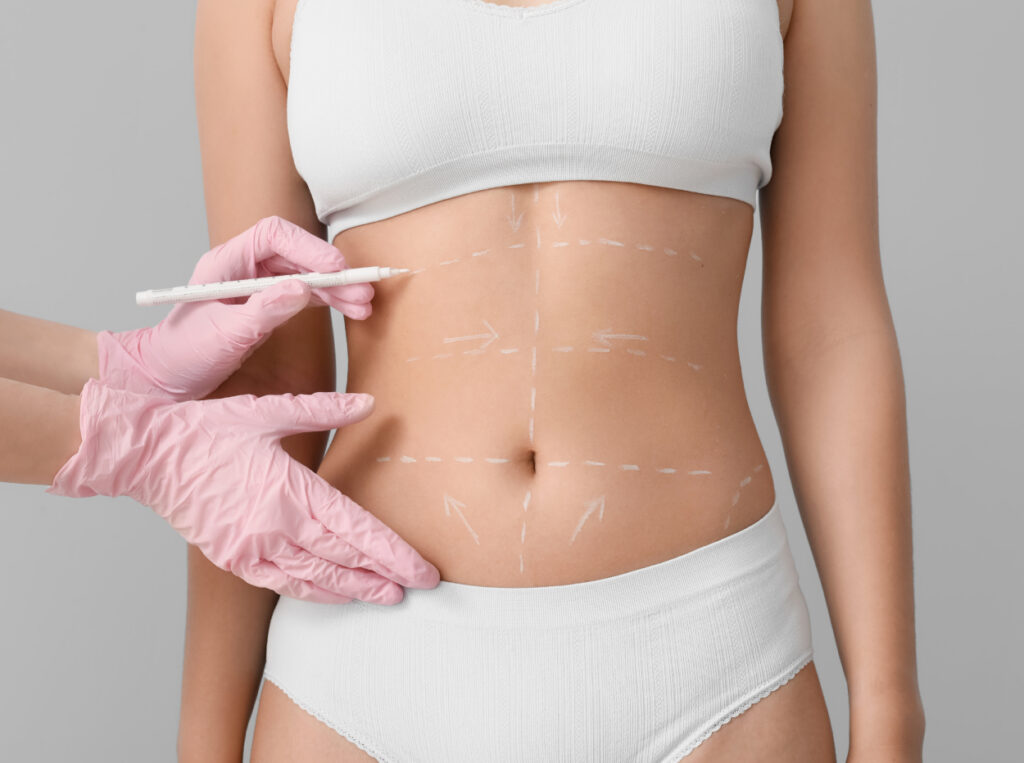
Body contouring has moved well beyond the old idea of simply “removing fat.” In practice, it is about proportion, transitions, and how the eye reads shape. A flatter abdomen matters, certainly, but so does the way the waist flows into the hips, how the lower back supports an hourglass line, and whether the upper arms or thighs look balanced with the rest of the frame. When people explore Body Contouring in Michigan, they are often trying to solve a very specific visual problem: clothes fit differently than they used to, weight loss has left behind pockets that refuse to change, or certain areas make the whole silhouette feel less defined than it really is.
That distinction matters. Body contouring is not a substitute for overall health, and it is not a cure for the normal fluctuations of life. It is a shaping tool. Used thoughtfully, it can refine the outline of the body in a way that exercise and nutrition sometimes cannot, especially after pregnancy, major weight loss, or age-related changes in skin and tissue tone.
Michigan patients often come in with practical concerns rather than abstract cosmetic goals. They want a dress to sit smoothly over the midsection. They want to stop layering clothing to hide the flanks. They want the profile in family photos to look more like the person they feel they are. Those goals are deeply personal, but the technical side is all about anatomy, skin quality, and planning.
What body contouring actually changes
The term “Body Contouring” covers a range of treatments, surgical and nonsurgical, designed to improve body shape. Some reduce localized fat. Others tighten skin, improve tissue firmness, or address fullness caused by pregnancy, genetics, or aging. The best outcomes usually come from matching the treatment to the reason the area looks the way it does.
A stubborn lower abdomen, for example, can be caused by one problem or several at once. There may be a layer of resistant fat, stretched skin, weakened abdominal support, or all three. If someone only treats fat when the real issue is loose skin or muscle separation, the result can be disappointing. The area may be smaller, but not tighter or smoother. That is why a thorough consultation matters so much more than many people expect.
Silhouette enhancement depends on contour, not just volume reduction. Removing too much from one area, or treating one zone in isolation, can create an unfinished look. The body reads as a whole. A modest reduction at the waist may do more for shape than aggressive treatment on the abdomen alone. Likewise, treating the back or flanks can dramatically improve how the front looks in fitted clothing, even though patients often focus first on the stomach.
Why Michigan patients often seek contouring
There are a few recurring patterns among patients considering body contouring in Michigan. One is post-pregnancy change. Another is the aftermath of significant weight loss, whether through lifestyle changes, medication, or bariatric surgery. A third is simple age-related redistribution of fat and decline in skin elasticity.
Michigan’s seasonal lifestyle also influences timing and goals more than people realize. Many patients schedule consultations in late fall or winter, when layering clothes makes recovery or swelling easier to manage and when they can heal before summer travel, weddings, or lake season. That timing is practical, not cosmetic vanity. Recovery, compression garments, and limited activity are easier to navigate when a person is not trying to spend every weekend at the beach or in lightweight summer clothing.
There is also a regional mindset that tends to be refreshingly grounded. Patients often want improvement that looks believable. They are not necessarily chasing dramatic transformation. More often, they want their body to look rested, balanced, and more in line with the effort they already put into their health. That usually leads to better decisions because the focus stays on proportion and longevity rather than trends.
The silhouette is built on proportion
Most people think first about the area they dislike most. From a contouring perspective, that is rarely the only area that matters. A silhouette looks refined when proportions make sense from every angle.
Take the waist, hips, and lower torso. Even a relatively small amount of fullness at the flanks can blur the waistline. When that fullness is reduced strategically, the entire midsection appears more sculpted. The person may not have lost many inches, but the visual effect is stronger because the transitions are cleaner.
The same principle applies to the thighs. Inner thigh fullness can change how pants drape and how the legs appear in motion. Outer thigh contour can affect the balance between the hips and knees. Arms are another area that can alter overall shape in sleeveless or fitted clothing. When one region carries more volume or skin laxity than the rest of the frame, it can pull attention away from otherwise balanced features.
This is where experienced judgment becomes essential. Better shape is not always about doing more. In some cases, subtle contouring around the waist or bra line creates enough harmony that the body looks naturally slimmer. Overcorrecting can flatten curves that should remain, leaving the result less feminine or less athletic than intended.
Surgical and nonsurgical options are not interchangeable
Patients sometimes compare all body contouring treatments as if they are on a single ladder, with one option simply being “stronger” than another. In real practice, they solve different problems.
Nonsurgical treatments can be useful for people near their goal weight who have mild to moderate localized fullness and reasonably good skin elasticity. These treatments generally involve less downtime, though they often require patience and appropriate expectations. Results may emerge gradually over weeks or months, and the change is usually measured, not dramatic.
Surgical contouring is more appropriate when the issue includes significant fat deposits, excess skin, stretched tissues, or shape concerns that nonsurgical devices cannot adequately address. Liposuction remains one of the most effective tools for precise fat reduction and reshaping. Procedures that remove loose skin, such as abdominoplasty or body lift techniques, may be necessary after major weight loss or pregnancy. In some cases, a combination approach offers the best result.
A common example involves the abdomen after childbirth. If the skin has bounced back and the concern is mainly stubborn fat, liposuction or select nonsurgical methods may help. If the skin is loose and there is muscle separation, no external energy device can reproduce what a surgical repair can do. Patients are often relieved when this is explained clearly. It saves them from spending time and money on treatments that were never likely to solve the real problem.
Skin quality changes the plan
One of the biggest factors in body contouring success is skin behavior. Two patients can have the same amount of excess fat and need completely different treatment plans because their skin quality is different.
Younger skin or skin with strong elasticity can contract better after fat reduction. Skin that has been stretched by pregnancy, sun exposure, age, or large weight fluctuations may not tighten enough on its own. In those cases, reducing volume without addressing laxity can actually make looseness more apparent.
This is especially relevant in areas like the lower abdomen, upper arms, inner thighs, and above the knees. Patients sometimes focus on “fat” because that feels like the obvious culprit, but what bothers them visually is often a combination of fullness and skin texture. Small ripples, creasing, and soft drape can matter as much as measurements.
Good consultations involve a hands-on exam, not just photos and generalities. Tissue thickness, skin recoil, scar placement, and underlying support all affect the plan. That level of assessment is what separates a result that looks polished from one that looks almost right but not quite finished.
The best candidates are often already doing many things right
There is a persistent misconception that body contouring is for people who have not https://zionrkdx212.timeforchangecounselling.com/how-michigan-patients-are-transforming-with-body-contouring taken care of themselves. In reality, many ideal candidates are already exercising regularly, eating well, and maintaining a fairly stable weight. They are dealing with areas that are unusually resistant to those efforts or with structural changes that lifestyle alone cannot reverse.
Stable weight matters because body contouring is designed to shape the body you have now, not the body you may have after another major change. Significant future weight gain can soften results. Significant future weight loss can create new looseness. That does not mean patients need perfection before seeking treatment, but it does mean timing should be sensible.
Pregnancy plans also matter. For women considering abdominal contouring, especially procedures that repair stretched muscles or remove excess skin, it often makes sense to wait until childbearing is complete. While a future pregnancy may not be dangerous, it can compromise the aesthetic result and undo some of the improvements.
What a consultation should cover
A strong consultation should feel specific, candid, and a little educational. If the discussion stays overly vague, patients are left guessing what is realistically possible.
A thoughtful consultation usually addresses several practical points:
- What exactly is causing the shape concern: fat, loose skin, muscle laxity, or a mix.
- Whether the desired change is subtle refinement or a more dramatic reshaping.
- What kind of recovery, swelling, garment use, and time off should be expected.
- Where scars may fall, if surgery is involved, and how visible they may be in common clothing.
- What result is realistic for that person’s anatomy, not for an edited photo online.
That conversation should also include the possibility that the best answer is to treat a different area than the patient initially expected, or to combine procedures. For example, someone focused on front-facing abdominal fullness may benefit just as much from contouring the flanks and lower back because those areas frame the waist and improve profile view.
Recovery influences satisfaction more than many people expect
Patients usually focus on before-and-after photos, which makes sense. Yet a large part of long-term satisfaction comes from being prepared for the recovery process. This is true for both surgery and many nonsurgical treatments, though the scale differs.
Swelling can last longer than patients think. Bruising varies widely. Compression garments are often important and sometimes tedious. Early on, the body may look uneven or fuller than expected simply because tissues are healing. That temporary phase can be frustrating if a person assumes results should be immediate.
For surgical Body Contouring, recovery also affects routine life in very concrete ways. Lifting restrictions, limitations on workouts, sleep positioning, and help with childcare can all matter. A parent of toddlers needs a different plan than a remote worker with no physical demands at home. These details are not secondary. They shape whether the recovery period feels manageable or overwhelming.
Nonsurgical treatments usually involve less downtime, but “little downtime” does not always mean “no interruption.” Tenderness, temporary numbness, swelling, or gradual changes that require repeat sessions can still affect daily expectations. A person looking for a dramatic single-event transformation may not be happy with a slower, more modest path, even if the treatment is technically appropriate.
How results look in real life, not just in photos
One of the most useful ways to think about body contouring is to ask where the change will show up first. Often, the earliest rewards are not dramatic mirror moments. They are quieter. A waistband stops rolling. A blouse lies flatter. A fitted coat closes more cleanly. A patient who used to avoid certain fabrics starts buying them again.
That kind of improvement is meaningful because it affects daily comfort and confidence. A silhouette is experienced in motion, in clothing, and in posture, not only in posed before-and-after images. Some of the best contouring results look almost understated in static photos but are striking in the way they restore balance.
I have seen patients become happiest not because they looked like someone else, but because they looked more coherent to themselves. Their frame made sense again. The body appeared less interrupted by one stubborn zone. That is often the real goal.
Trade-offs deserve honest discussion
Every body contouring option comes with trade-offs. Surgery can produce stronger and more reliable changes, but it brings more downtime, cost, and if skin is removed, scars. Nonsurgical options can be appealing because they are less invasive, but they are limited by anatomy and may require repeat treatment. Neither category is automatically “better.” It depends on the problem being treated and the patient’s tolerance for recovery.
Scarring is one of the clearest examples. Many patients are initially wary of any scar, which is understandable. Yet when loose skin is substantial, a carefully placed scar may be far less noticeable in day-to-day life than the contour irregularity or drape the patient wants to correct. The right question is not whether a scar exists. It is whether the overall trade-off improves the person’s silhouette and confidence.
Another trade-off is precision versus subtlety. Liposuction can create powerful shape changes, but it requires restraint and artistry. Too little may not satisfy. Too much can create irregularity or a hollowed look. The best results often come from measured correction that respects natural anatomy.
Choosing the right provider in Michigan
Because body contouring is highly individualized, provider selection matters enormously. Patients in Michigan should look for more than marketing language or glamorous photos. They need evidence of judgment, consistency, and anatomical understanding.
A qualified provider should be able to explain why a certain treatment fits your body and why another does not. They should discuss limitations openly. If everything is presented as simple, painless, and universally effective, that is a warning sign. Real contouring work involves nuance.
It also helps to look at results on bodies that resemble your own. The useful question is not whether a provider has beautiful outcomes on one body type. It is whether they can achieve balanced, believable results across different ages, skin qualities, and starting points.
In Michigan, where patients may travel from suburban, urban, or more rural areas for treatment, logistics matter as well. Follow-up appointments, access to postoperative care, and communication during recovery should all be part of the decision. Convenience should not outweigh skill, but support does matter, especially for surgical procedures.
Timing your treatment around Michigan life
The rhythm of life in Michigan often affects when body contouring fits best. Winter and early spring can be ideal for recovery because clothing is forgiving and social schedules may be less packed with outdoor events. By the time warmer weather arrives, swelling has often improved and results are easier to enjoy.
That said, not everyone wants to recover during icy conditions or around holiday obligations. Teachers, healthcare workers, small business owners, and parents often need to schedule around job cycles and family demands rather than seasons. The best time is the one that allows for proper healing, not the one that sounds best on paper.
This is especially true for surgeries that require lifting restrictions or reduced physical activity. If a person knows summer is when they are most active, it may be smarter to do a procedure months earlier than to force recovery into a season they normally spend boating, traveling, or chasing children around the yard.
When body contouring may not be the right move yet
There are times when waiting is the better decision. If weight has been fluctuating significantly, if pregnancy is planned soon, or if expectations are unrealistic, it may be wise to pause. The same is true when someone is seeking contouring during a period of emotional upheaval and is hoping a body change will solve a broader sense of dissatisfaction.
Good providers are comfortable saying “not yet.” That does not mean the patient is a poor candidate forever. It may simply mean the timing or treatment choice needs adjustment. Stable habits, clear goals, and realistic expectations almost always produce better outcomes than urgency.
It is also important to separate body contouring from weight-loss treatment. People can look visibly more sculpted after contouring without a major change on the scale. If a patient’s real goal is broad weight reduction, that issue should be addressed directly first. Contouring can then refine the result rather than trying to carry a job it was never meant to do.
The real value of silhouette enhancement
A better silhouette is not about chasing perfection. It is about visual balance and ease. When the body’s proportions align more closely with a person’s frame, clothing fits better, posture changes, and self-conscious habits often relax. People stop tugging at shirts, avoiding side views, or planning outfits around one area that bothers them.
That is why Body Contouring in Michigan continues to appeal to such a wide range of patients. It serves people after major milestones, after hard-earned weight loss, after pregnancy, and during ordinary aging. The common thread is not vanity. It is the desire to feel more at home in one’s shape.
When contouring is approached with sound judgment, clear goals, and respect for anatomy, it can do something deceptively powerful. It can restore continuity. The silhouette becomes smoother, more proportionate, and more consistent with the person underneath it. For many patients, that is not a small change at all. It is the difference between managing their body and finally feeling comfortable living in it.